



Talent Gaps in the SAP Ecosystem - Part 1

As the calendar flips to 2024 and the clock ticks ever closer to SAP’s 2027 deadline for migrating legacy ECC systems to SAP S/4 HANA, it’s a great time to talk about an important topic that a large segment of the SAP community seems to be ignoring: SAP talent gaps.
Ryan Craig generated quite a bit of buzz around this topic this week with his excellent Forbes article entitled The Biggest Tech Talent Gap Can Be Found In The SAP Ecosystem. While Mr. Craig presented many insightful points on the issue, I personally don’t believe that this is a problem that SAP or its partners can solve on their own.
Therefore, I thought I’d weigh in on the topic by providing an up-close view at some of the problems we see customers wrestling with these days in the SAP space. This is the first entry in a series that will analyze this problem from several different angles.
Wait a Minute - What Talent Gaps?
Ever since SAP introduced their HANA database back in 2010, the SAP landscape has changed dramatically:
- SAP bet the farm on HANA technology and re-platformed its core ECC solution to create what we now know as SAP S/4 HANA. Although S/4 is not yet fully renovated, it’s designed to take advantage of many new SAP technology innovations and thus quite different from ECC in many respects.
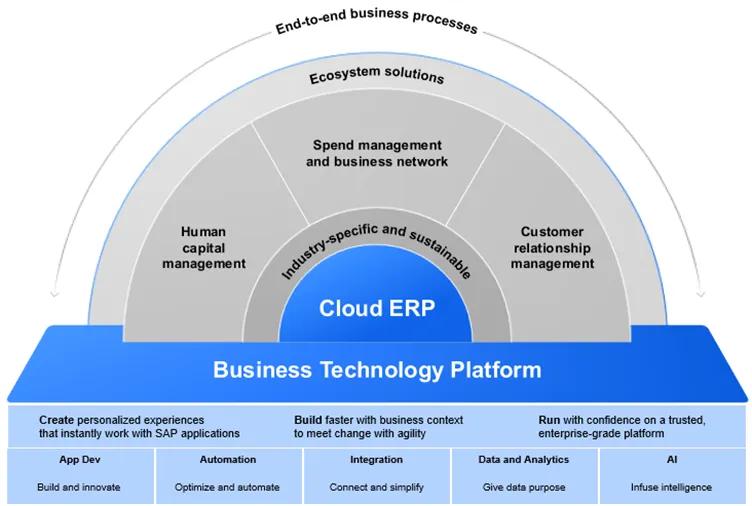
- In parallel, SAP revamped the rest of the Business Suite by either replacing legacy apps with cloud-based alternatives (e.g., SAP SRM → SAP Ariba) or re-integrating apps into S/4 (e.g., SAP Transportation Management).
- In addition to SAP’s cloud spending spree with products like Ariba, SuccessFactors, and Hybris, SAP also introduced the Business Technology Platform (SAP BTP) and has invested heavily in building out a cloud platform to host cloud/hybrid applications.
- In 2013, SAP introduced its new Fiori UX which replaced classic SAPGUI and web-based development frameworks (e.g., Web Dynpro) with more modern JavaScript-based technologies such as SAPUI5 and SAP Screen Personas.
For customers that may have been running legacy ECC / NetWeaver solutions for the past 20 or so years, these are not subtle changes.

More Than Just a Tech Talent Gap
For the past 5 years, I’ve been fortunate to be a guest speaker at SAPinsider’s S/4 HANA Summit event series where I’ve had an opportunity to speak with many SAP customers about this talent gap topic. One very interesting thing I’ve noted is that customers tend to think that the talent gaps primarily exist on the technology side of the house. Here, I’ll frequently get requests to provide recommendations for delta training classes for the customer’s ABAP development team, Basis team, etc.
Putting aside the fact that upskilling ABAP developers to learn new-dimension technologies like SAPUI5 and JavaScript is neither a simple nor short-term task, this line of thinking dismisses the fact that there are significant changes to contend with on the functional side of the house.
When I first got started in the SAP ecosystem way back when, I was always amazed at the profiles of the SAP functional leads I was working with. For example, a typical SAP FICO resource might be a CPA that also happens to unbelievable levels of knowledge of the SAP FI and CO modules — all the way down to the transaction codes, table names, and obscure ABAP program names. The depth of knowledge was both incredible and completely unsustainable.
Fast forward 25 years later, and most of those resources have either retired or moved on to other adventures. That’s not to say that this generation’s functional analysts aren’t competent; far from it. However, to put some of the differences into perspective, consider the fact that our technical solution architects here at Bowdark are being asked more and more to lead requirements and/or gap-fit analysis workshops because they are the only ones capable of taking these new solutions apart and understanding how they work from a functional perspective.
More Products = More Problems
As another example, consider a customer that’s been running SAP HCM for years. Internally, analysts and developers alike know the system inside and out and can probably recite the most obscure InfoType names off the top of their head. Now, imagine taking these resources and drop them into a Workday environment. While most people understand that this would be a huge leap, there’s a tendency to overlook the fact that this exercise isn’t that much easier if we were to swap out Workday for SAP SuccessFactors.
Of course, these problems exist all over the SAP ecosystem. From product swaps like SAP SRM to Ariba and SAP CRM to SAP Cloud Sales/Service to reimagined technology solutions like SAP Datasphere, we’re not talking about tiny incremental updates. In many cases, the changes are so significant that it doesn’t even feel like SAP software anymore.
Closing Thoughts
If I can leave you with one key take-away with this initial post, it would be to recognize and embrace the fact that the SAP talent gap is real. If you’re in the camp of “oh, we’ll get to all that once we decide to move to S/4”, I would strongly urge you to rethink your strategy.
No matter what SAP sales reps may tell you, just because the SAP name is on the product label doesn’t mean that it’s business as usual. Resources can certainly be cross-trained and upskilled, but it requires time, money, and perhaps most importantly, and ecosystem that’s actually interested in investing the time to learn their way around these new products/solutions.
If recognizing that talent gaps exist is the first step, then the second step is for customers to understand that they’re going to have to rebuild their SAP talent base in the aggregate. In my next post, I’ll dive into what this looks like in more detail.